
How to winterize your home: step-by-step fall and pre-winter checklist for US homeowners — insulation, HVAC, pipes, roof, gutters, safety, emergency prep, and energy-saving tips.
How to Winterize Your Home: Complete Fall Preparation Guide
A practical, step-by-step guide to protect your home from freezing temperatures, reduce heating costs, prevent damage, and stay safe through the cold months.
On this page
- Introduction
- Early home assessment
- HVAC & heating prep
- Insulation & sealing
- Plumbing protection
- Roof & gutters
- Fireplace & indoor safety
- Exterior & landscape prep
- Comfort & efficiency upgrades
- Winter emergency prep
- FAQs
- Sources & internal links
Table of contents [Show]
- Introduction: Winter preparation is prevention
- 1. Start with an early home assessment
- 2. HVAC and heating-system winter prep
- 3. Insulate, seal, and stop heat loss
- 4. Protect your plumbing from freezing
- 5. Roof and gutter winterization
- 6. Fireplace, chimney, and indoor safety
- 7. Winterize the exterior & landscape
- 8. Indoor comfort and efficiency upgrades
- 9. Winter emergency preparedness
- Conclusion
- Frequently asked questions (FAQs)
- Sources & internal links
Introduction: Winter preparation is prevention
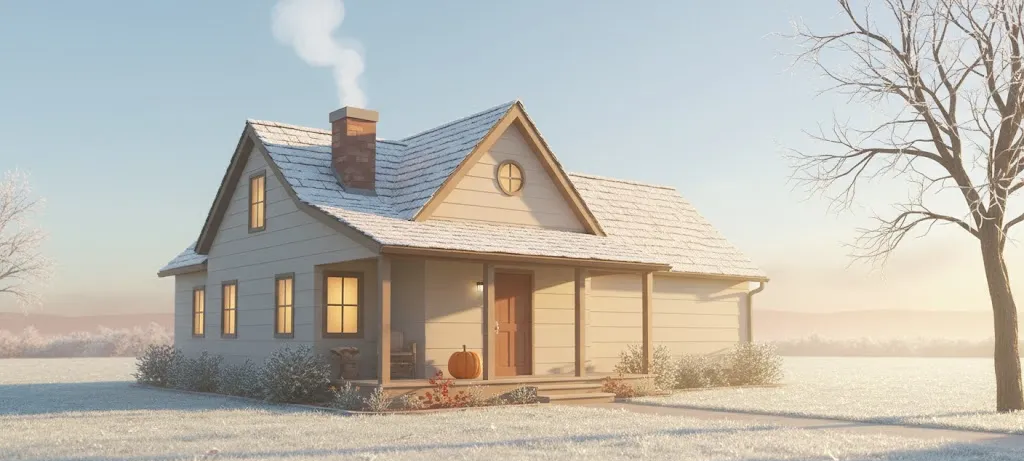
American winters vary — from deep-freeze northern cold to ice storms and sudden freezes in temperate regions. Winterizing your home ahead of the season stops small problems from becoming big, expensive disasters: frozen pipes, energy-sapping drafts, ice dams, and emergency furnace failures. This guide covers tested, affordable, and safety-first steps for US homeowners.
Key authorities referenced: U.S. Department of Energy, NFPA, FEMA, American Red Cross.
1. Start with an early home assessment
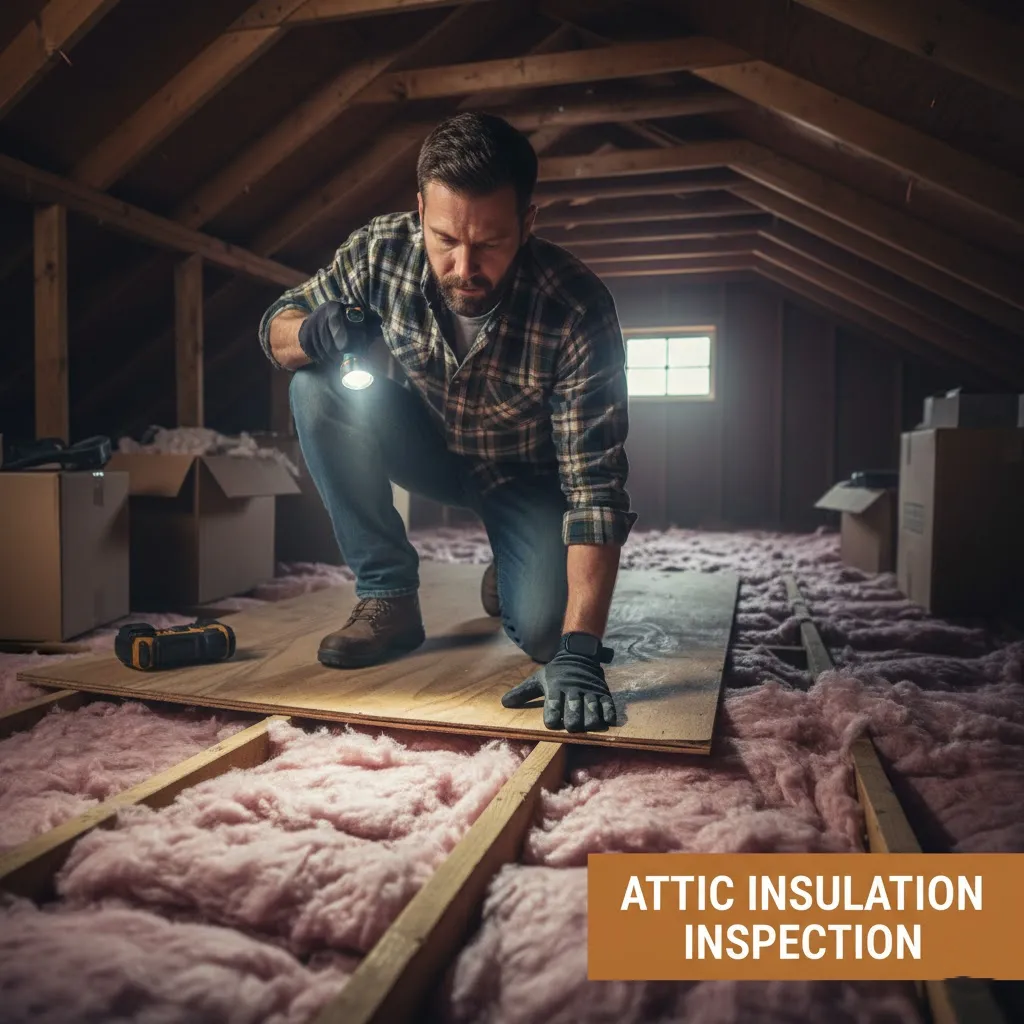
An assessment before the first hard freeze finds weak points where heat escapes or moisture collects. A basic home walkthrough should reveal draft points, moisture issues, insulation gaps, and any pressing mechanical concerns.
What to look for
- Draft points: windows, doors, attic hatches, recessed lights, chimneys, and exterior outlets.
- Moisture-prone areas: basement corners, attic stains, and wall condensation.
- Insulation gaps: check attic depth and wall voids where accessible.
- Furnace behavior: odd noises, short-cycling, or slow warm-up indicate service need.
2. HVAC and heating-system winter prep
Heating systems do the heaviest work in winter. Start with a professional tune-up and follow a maintenance rhythm to keep the system efficient and safe.
Must-do HVAC tasks
- Professional tune-up: annual inspection to clean burners/heat exchangers, test CO levels, and verify safe operation.
- Replace filters: change filters before heavy use. Depending on filter type, replace monthly to every 3 months.
- Reverse ceiling fans: switch to clockwise on low to push warm air down.
- Seal duct leaks: use mastic or foil HVAC tape; leaky ducts can waste 20–30% of heat.
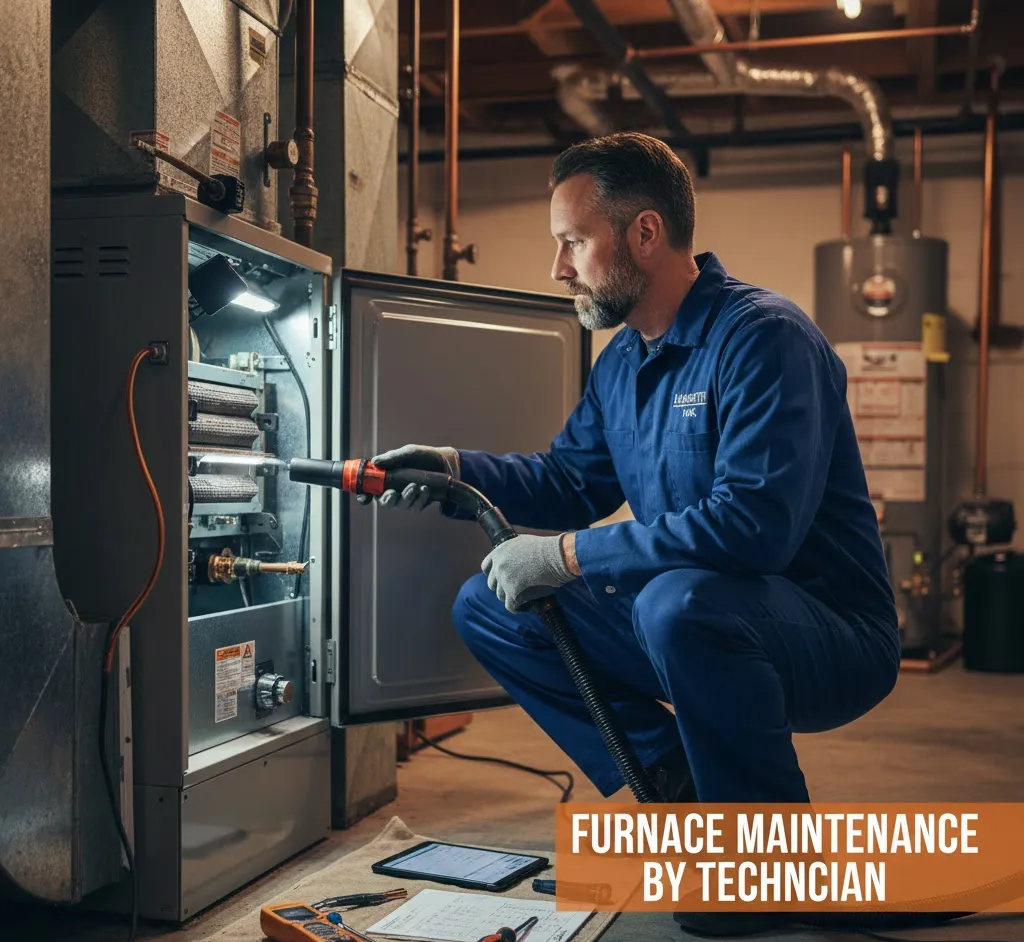
Authority: U.S. Department of Energy — regular HVAC maintenance improves safety and efficiency.
3. Insulate, seal, and stop heat loss
Sealing air leaks and adding insulation are the top long-term investments for winter comfort and bill reduction.
Practical steps
- Weatherstrip doors: replace worn strips and add door sweeps where needed.
- Window strategy: temporary insulation film, heavy thermal curtains, or invest in ENERGY STAR windows if budget allows.
- Attic insulation: aim for R-38 to R-60 depending on your climate zone; blown-in cellulose or fiberglass batts are common choices.
- Seal attic bypasses: use fire-rated caulk, expanding foam, and insulation to close gaps around chimneys, pipes, and recessed lights.
4. Protect your plumbing from freezing
Frozen or burst pipes are among the costliest winter failures. Insulate, drain, and take simple habits now to avoid major repairs later.
Essential plumbing winterization steps
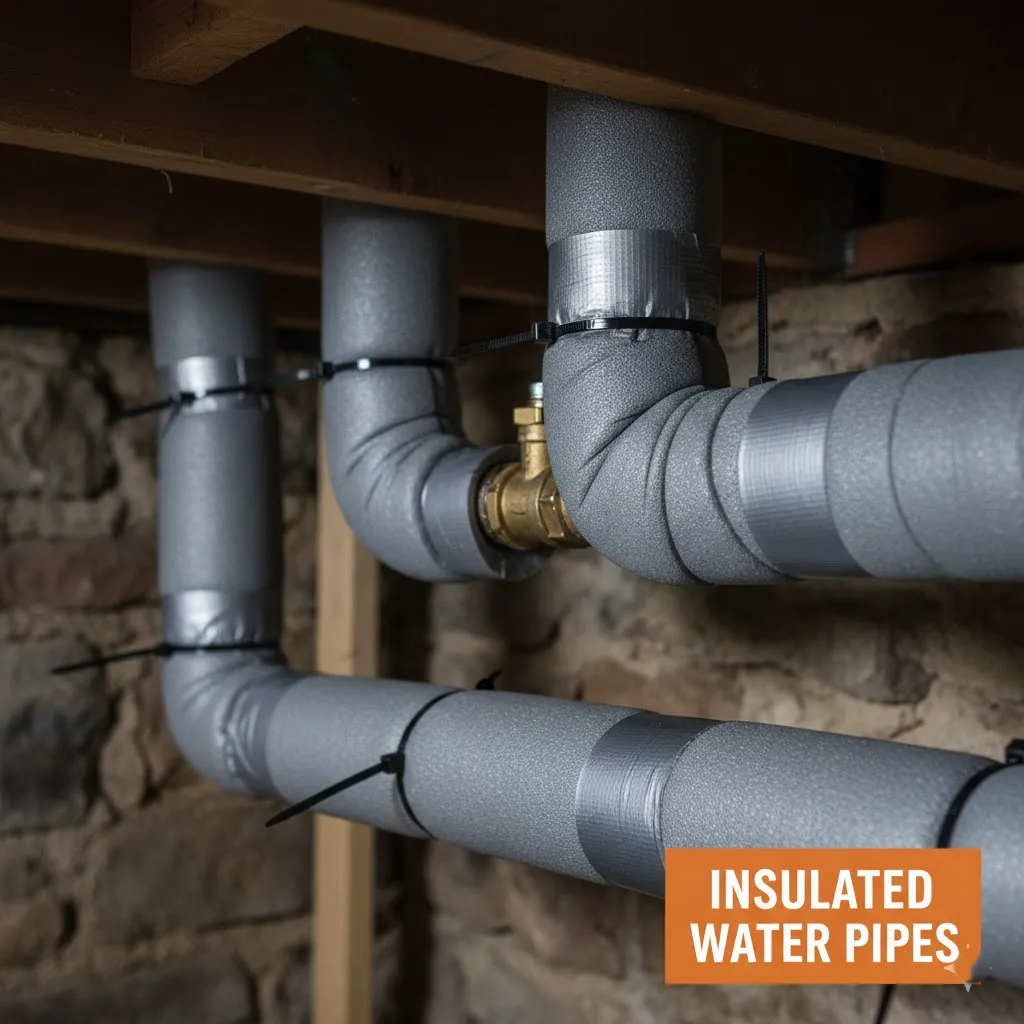
- Insulate exposed pipes: basements, crawlspaces, garages, and exterior walls should use foam sleeves or heat tape in very cold climates.
- Disconnect hoses & drain spigots: leaving hoses connected can freeze spigots and interior lines.
- Shut off and drain exterior faucets: find your outside shut-off valve, turn it off, and open the exterior spigot to drain.
- Blow out sprinkler systems: hire a pro for irrigation blow-outs to remove water from lines.
- During extreme cold: let faucets drip slightly to prevent pressure build-up and freezing.
Tip: The American Red Cross and local utilities recommend prevention over expensive emergency repairs.
5. Roof and gutter winterization
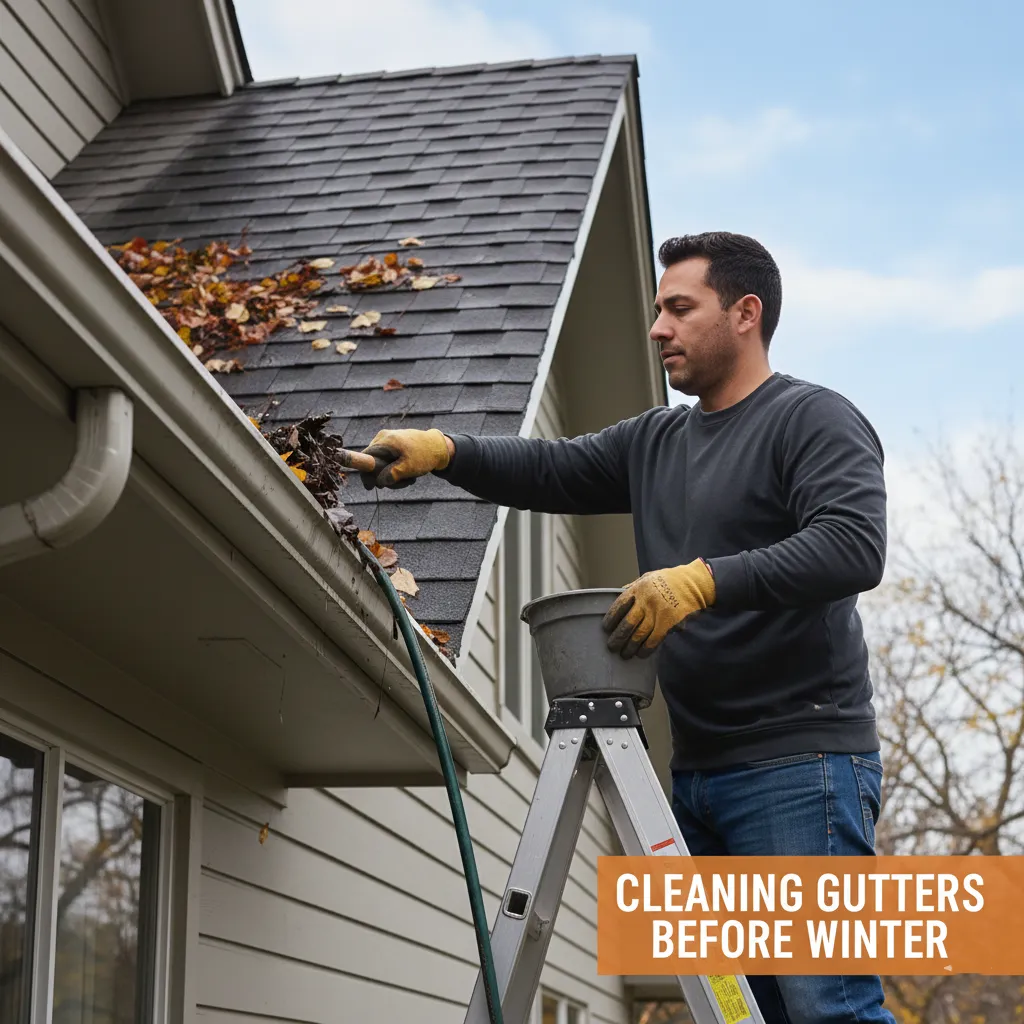
Roofs and gutters protect the home envelope. Clean and repair now to prevent leaks, ice dams, and structural damage.
Action checklist
- Clean gutters & downspouts: remove debris and flush to ensure drainage away from the foundation.
- Inspect shingles: replace cracked, curling, or missing shingles and check flashing.
- Install gutter guards if appropriate: helpful in leafy areas but still inspect annually.
- Prevent ice dams: increase attic insulation/ventilation and keep gutters clear; consider heat cables only as a last resort.
6. Fireplace, chimney, and indoor safety
A properly serviced chimney and safety devices reduce fire risk and protect indoor air quality.
- Annual chimney inspection: NFPA recommends annual checks and creosote removal for wood-burning units.
- Test smoke & CO detectors: monthly testing; replace detectors older than 7–10 years.
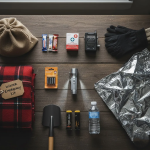
- Prepare a safe emergency kit: flashlights, batteries, first-aid, nonperishable food, and alternative safe heating options.
7. Winterize the exterior & landscape
Exterior prep reduces winter damage and eases spring recovery.
- Seal cracks in foundation and siding: small repairs prevent water ingress and freeze damage.
- Protect outdoor furniture: cover or store to reduce deterioration from snow and ice.
- Store and winterize equipment: empty fuel from mowers and treat gas in snow blowers.
- Trim dead branches: prevents limb failure under heavy snow or ice.
8. Indoor comfort and efficiency upgrades
Small upgrades improve comfort and reduce bills.
- Smart thermostats: programmable control and remote scheduling save energy and money.
- Area rugs: add insulation and reduce radiant heat loss on cold floors.
- Humidity control: keep indoor humidity between 30–50% to balance comfort and condensation concerns.
- Water heater tune: set to 120°F, insulate the tank and pipes for energy savings.
9. Winter emergency preparedness
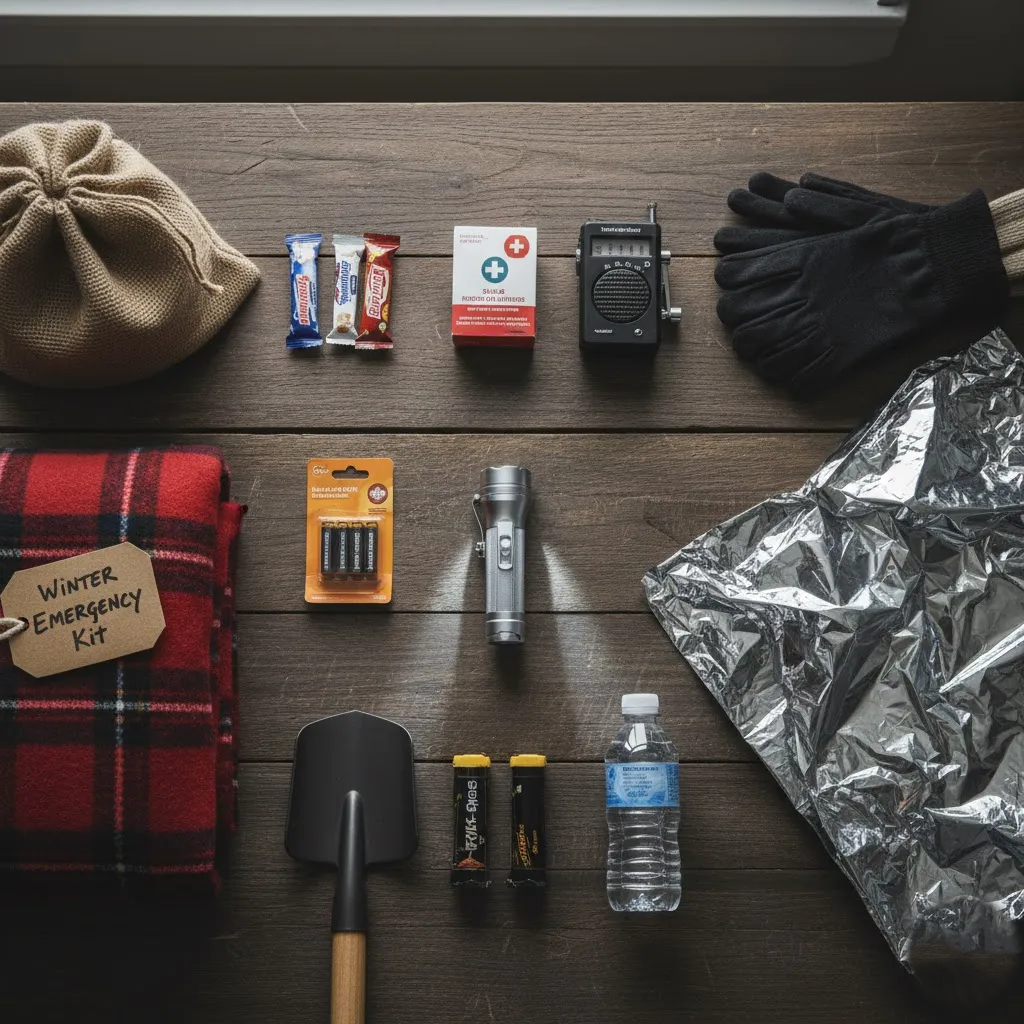
Power outages and extreme storms are possible everywhere. Prepare a compact emergency kit and a household plan.
Essentials
- Backup heating source (indoor-safe), blankets, and warm clothing
- Nonperishable food and bottled water (3-day minimum)
- Portable power bank and battery chargers
- Shovel, ice melt, sand, and traction materials
- Portable radio, flashlight, and extra batteries
Conclusion
Winterizing is a mix of cheap quick wins and strategic upgrades. Taken together, these steps reduce risk, lower energy costs, and keep your home functioning during the season. Schedule major services early, prioritize safety, and turn the checklist into a simple annual ritual.
If you'd like, Homesmith can convert this guide into a printable fall-to-winter checklist PDF, a step-by-step how-to with images, or a region-specific plan. See related reads and tools in the sidebar.
Frequently asked questions (FAQs)
1. When is the best time to winterize my home?
Start in early fall—two to six weeks before typical first freeze dates in your area. This gives time for repairs and professional appointments.
2. How much does winterizing usually cost?
Basic DIY weatherproofing is inexpensive ($20–$200). Professional services (HVAC tune-up, attic insulation, chimney sweep) range $150–$800 depending on home size and region.
3. Will attic insulation really reduce my heating bills?
Yes. Proper attic insulation and air sealing are among the most cost-effective ways to lower heating demand—often saving 10–30% on seasonal energy use depending on current insulation levels and climate.
4. What should I do if a pipe freezes?
Turn off the water supply to that section if possible, gently warm the pipe with a hair dryer or space heater (never use open flame), and call a plumber if the pipe has burst or you cannot access it safely.
5. Are heat cables safe for preventing ice dams?
When installed correctly and on the right roof sections, heat cables can help melt ice at roof edges. They’re best used alongside improved attic insulation and ventilation—not as a substitute for those measures.
6. How often should I have the chimney inspected?
Annually. The NFPA recommends yearly inspections for buildup and structural safety, especially for wood-burning fireplaces.
7. Is it necessary to blow out my irrigation lines every year?
Yes in freezing climates. Professional blow-outs remove water from underground pipes and prevent line rupture when temperatures fall below freezing.
8. What indoor humidity level is ideal in winter?
Keep indoor relative humidity between 30–50% to balance comfort and minimize condensation that can lead to mold.
9. Can I winterize my home myself?
Many tasks are DIY-friendly (weatherstripping, insulating pipes, checking gutters). For work involving gas, electrical systems, major roof repairs, or complex HVAC issues, hire licensed professionals.
Sources & internal links
Authoritative references used to prepare this guide:
- U.S. Department of Energy — Energy Saver
- National Fire Protection Association (NFPA)
- Ready.gov — Winter Weather (FEMA)
- American Red Cross — Winter Safety
Recommended Homesmith internal reads (backlinks):
© Homesmith. All content is for informational purposes only. For professional diagnosis or repair, hire a licensed contractor. Last updated: December 5, 2025.