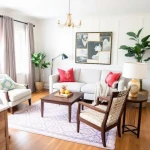

Whether it is a city apartment, a basement, or simply a room with minimal natural light, dull spaces are just waiting to be transformed with the right houseplants.
Best Low Light Indoor or Dark Rooms Gardening Practices
- 10 Best Low Light Indoor Plants Perfect for Dark Rooms
- DIY Indoor Vegetable Gardening: Creative Ideas for Limited Space
Table of contents [Show]
- Introduction
- Benefits of Low Light Indoor Plants
- Criteria for Choosing Low Light Indoor Plants
-
10 Best Low Light Indoor Plants Perfect for Dark Rooms
- Snake Plant (Sansevieria)
- ZZ Plant (Zamioculcas zamiifolia)
- Peace Lily (Spathiphyllum)
- Cast Iron Plant (Aspidistra elatior)
- Chinese Evergreen (Aglaonema)
- Pothos (Epipremnum aureum)
- Boston Fern (Nephrolepis exaltata)
- Rubber Plant (Ficus elastica)
- Dracaena (Dracaena species)
- Philodendron (Philodendron species)
- Tips for Caring for Low Light Indoor Plants
- Conclusion
- DIY Indoor Vegetable Gardening: Creative Ideas for Limited Space
- Introduction to DIY Indoor Vegetable Gardening
- Choosing the Right Vegetables for Indoor Gardening
- Creative Space-Saving Techniques
- Essential Tools and Supplies for Success
- Conclusion: Embrace the Joy of Homegrown Vegetables Indoors
Introduction
Every home deserves a touch of greenery, but not every room benefits from ample sunlight. Whether it is a city apartment, a basement, or simply a room with minimal natural light, dull spaces are just waiting to be transformed with the right houseplants. Fortunately, there are numerous low light indoor plants that can thrive in dim conditions while adding vibrancy and life to any room. These plants not only beautify your living spaces but also improve air quality, making your home a healthier, more enjoyable place to be. Welcome to a world where dark rooms become lush, peaceful retreats through indoor gardening.
Benefits of Low Light Indoor Plants
Incorporating low light indoor plants into your home can bring about a variety of benefits, ranging from enhancing air quality to boosting your mood. When selecting the best plants for dark rooms, it’s advantageous to consider how these natural elements can improve your environment beyond just aesthetics.
Air Purification
One of the most significant benefits of low light indoor plants is their ability to purify the air. Many houseplants absorb common indoor pollutants such as benzene, formaldehyde, and trichloroethylene, which are present in household items and materials. These plants act as natural air filters, removing toxins and improving overall air quality. Some popular choices known for their air-purifying properties include the Snake Plant, Peace Lily, and Spider Plant. By having these plants in your home, especially in rooms with minimal sunlight, you can create a healthier living space with cleaner air to breathe.
Mood Enhancement
Plants are not only beneficial for your physical health but also for your emotional well-being. Having greenery around can significantly enhance your mood and reduce stress levels. Studies have shown that plants contribute to a more relaxed and calming atmosphere, which can improve concentration and productivity. This is particularly beneficial in dark rooms that may otherwise feel gloomy or uninviting. Furthermore, tending to plants can be a therapeutic activity, providing a sense of accomplishment and purpose. Through their lush foliage and growing energy, low light plants can transform a dark, dreary room into a welcoming oasis of calm.
Low Maintenance
A major advantage of low light indoor plants is their easy care and low maintenance. Unlike their light-loving counterparts, these plants require minimal attention, making them ideal for busy homeowners or those new to indoor gardening. They do not need direct sunlight and can thrive in shaded areas or artificial light environments. In addition, they generally require less frequent watering and can tolerate infrequent feeding. This means that even if you happen to neglect them for a short period, these resilient plants will remain healthy and continue to brighten up your space.
Criteria for Choosing Low Light Indoor Plants
When selecting the best low light indoor plants for your dark rooms, it is important to consider several criteria to ensure that your chosen plants can thrive in their environment. Understanding these factors will guide you to make informed decisions and select plants that match your living space and lifestyle.
Tolerance to Low Light Conditions
The foremost criterion when choosing houseplants for dark rooms is their ability to tolerate low light conditions. Plants native to forest floors or shaded environments are often the best candidates, as they naturally adapt to limited sunlight. Some examples include the ZZ Plant, Cast Iron Plant, and Philodendron species. Before purchasing, research whether a plant can endure low light and verify from reputable sources that it will flourish without ample sunlight exposure. This ensures your investment in indoor gardening is both successful and sustainable.
Size and Growth Potential
Not all plants are suited for every space, so it is imperative to consider the size and growth potential of your chosen plant. Assess the room's available space and decide whether you prefer small, manageable plants or larger, more dramatic ones. Some low light options remain relatively compact, such as the Pothos or Table Fern, ideal for tabletops or smaller rooms. Conversely, there are larger varieties, like the Rubber Plant or Dieffenbachia, which can become significant focal points in a room. By understanding a plant's mature size and growth habits, you can choose specimens that complement your interior design and spatial considerations.
Care Requirements
Finally, familiarize yourself with the specific care requirements of the plants you are considering. While many low light plants are generally easy to care for, each species may have particular needs concerning watering, humidity, and temperature. For instance, the Peace Lily prefers consistently moist soil, while the Snake Plant thrives in drier conditions. Evaluate your lifestyle and how much time you can dedicate to plant care. Select plants that align with your ability to accommodate their needs, ensuring that both you and your plants live harmoniously. By taking these factors into account, you can cultivate an indoor garden that not only survives but thrives in low light conditions, enriching your living environment with natural beauty and life.
10 Best Low Light Indoor Plants Perfect for Dark Rooms
 Image courtesy: Unsplash
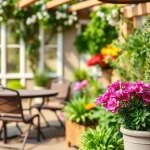
Living in a space with limited natural light doesn't mean you have to forego the benefits of indoor greenery. Certain plants thrive in low light conditions, making them perfect for rooms with few windows. Here are the top 10 best low light indoor plants that can flourish in darker environments.
Snake Plant (Sansevieria)
The Snake Plant, also known as Mother-in-law's Tongue, is renowned for its resilience. It can tolerate low light levels and sporadic watering, making it ideal for individuals who might forget to tend to their plants regularly. Its striking tall, sword-like leaves add an architectural element to any room, providing both visual interest and improved air quality.
ZZ Plant (Zamioculcas zamiifolia)
ZZ Plant is a nearly impossible-to-kill houseplant, acclaimed for its ability to survive in low light and withstand neglect. Its smooth, glossy leaves are a vibrant addition to any space. This plant is efficient in removing toxins from the air, making it not only a decorative piece but a functional one, too.
Peace Lily (Spathiphyllum)
Peace lilies are favored for their beautiful, white blooms that contrast with their lush, dark green foliage. These plants perform well in low light conditions and are excellent air purifiers. While they do appreciate regular watering, they are forgiving if you accidentally skip a week.
Cast Iron Plant (Aspidistra elatior)
True to its name, the Cast Iron Plant is incredibly tough and requires little attention to thrive. Its hardy nature can withstand minimal light, fluctuating temperatures, and infrequent watering. The long, dark green leaves of the Cast Iron Plant bring a sense of stability and calm to any room it graces.
Chinese Evergreen (Aglaonema)
The Chinese Evergreen is not only attractive but also one of the most durable indoor plants available. It adapts well to low light and infrequent watering while providing variegated leaves that offer a splash of color. This plant is highly recommended for beginner gardeners who wish to add a touch of greenery to their shaded spaces.
Pothos (Epipremnum aureum)
Pothos, or Devil's Ivy, is particularly valued for its trailing vines, which can soften the edges of shelves and furniture. It thrives in a range of lighting conditions, from bright, indirect light to low light, and is exceptionally easy to propagate. It's a favorite choice for both novice and experienced indoor gardeners alike.
Boston Fern (Nephrolepis exaltata)
The Boston Fern is well-known for its elegant, feathery fronds. It prefers more humidity, which can sometimes be achieved by placing a humidifier nearby. While it favors indirect light, it can still do quite well in dimmer areas, making it a versatile choice for less bright spaces.
Rubber Plant (Ficus elastica)
Rubber Plants offer a bold statement with their broad, glossy leaves. Although they do best in medium light, they can adapt to lower light conditions. They are known for filtering airborne toxins, thus promoting a cleaner indoor environment.
Dracaena (Dracaena species)
With a variety of species to choose from, Dracaena plants are adaptable to low light and will add height and visual appeal to a room. Their long, strappy leaves come in a range of colors and patterns, allowing flexibility in aesthetic style.
Philodendron (Philodendron species)
Philodendrons are classic indoor plants known for their heart-shaped leaves and easy care regimen. While they prefer indirect light, many Philodendron species are tolerant of low light conditions. This versatile plant can be either a climbing or a trailing plant, offering diverse options for home décor.
Tips for Caring for Low Light Indoor Plants
To ensure your indoor jungle thrives, it's crucial to understand the care requirements of low light plants. The following tips will help keep your greenery in top condition.
Watering Appropriately
- Observe your plant’s needs: Even shade-loving plants can suffer from overwatering. Ensure the soil dries out slightly between waterings.
- Consider drainage: Use pots with drainage holes to prevent water from accumulating at the bottom, which can lead to root rot.
Fertilizing Considerations
- Light feeding: Low light plants do not require frequent fertilization. Applying a balanced, water-soluble fertilizer once every 2-3 months during the growing season is generally sufficient.
- Avoid over-fertilizing: Less is more when it comes to feeding your low light plants, as too much fertilizer can cause salt buildup and harm the plant.
Managing Pests and Diseases
- Regular inspection: Check your plants routinely for any signs of pests like spider mites or aphids, especially on the undersides of leaves.
- Natural treatments: Use natural remedies, such as insecticidal soap or neem oil, to treat infestations without harming the plant.
By selecting the right plants and adhering to these care tips, you can transform even the darkest corners of your home into thriving green havens.
Conclusion
Transforming dark rooms into vibrant, lively spaces is easier than you might think. By choosing the right low-light indoor plants, you can enhance the ambiance and bring a touch of nature inside. These hardy plants are not only low maintenance but also purify the air, boosting both aesthetics and health. Consider adding one or several of these resilient houseplants to your home or office, and enjoy the serenity and beauty they bring to your indoor environment.
DIY Indoor Vegetable Gardening: Creative Ideas for Limited Space
Introduction to DIY Indoor Vegetable Gardening
In today's world, many people are turning to the joys of indoor vegetable gardening. This trend is driven by the desire for fresh produce and the need to maximize limited living spaces. Whether you live in a small apartment or simply want to add a green touch to an unused corner, indoor gardening offers a variety of solutions. Imagine the convenience of picking fresh herbs, tomatoes, or lettuce straight from your living room, all grown using effective and space-saving techniques. With the right tools and a bit of creativity, anyone can cultivate a thriving indoor garden, transforming even the tiniest apartments into verdant oases of homegrown goodness.
Choosing the Right Vegetables for Indoor Gardening
 Image courtesy: Unsplash
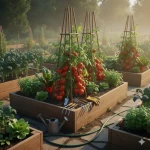
Embarking on a DIY indoor vegetable gardening adventure is an exciting and rewarding endeavor, especially when dealing with limited space. However, the success of your indoor garden largely depends on selecting the right vegetables. In this section, we'll delve into choosing the best varieties to cultivate within the confines of your home.
Selecting Vegetables Suitable for Limited Space
When gardening indoors, particularly in small spaces, it's crucial to select vegetables that do not require expansive root systems or sprawling vines. Here are some excellent options for limited space gardening:
- Leafy Greens: Spinach, lettuce, and arugula are excellent choices for indoor gardens as they grow quickly and take up minimal space. Additionally, they can be harvested multiple times, providing ongoing produce.
- Herbs: Basil, parsley, cilantro, and chives thrive indoors and require only a small amount of space. A kitchen windowsill with adequate light is often sufficient for these aromatic additions.
- Microgreens: These nutrient-packed greens like radish, mustard, and broccoli sprout quickly and don’t need much room, making them ideal for indoor cultivation.
- Cherry Tomatoes: With compact varieties available, such as Tiny Tim, cherry tomatoes can flourish in containers and add a splash of color to your garden.
- Peppers: Smaller varieties of peppers, such as jalapeños, can also be grown indoors and add spice to your culinary creations.
Understanding Light and Temperature Requirements
Achieving success with indoor vegetable gardening also hinges on providing the right light and temperature conditions, which replicate those found outdoors.
- Natural Light: Sunlight is vital for photosynthesis, and placing your garden in a window that receives at least 6-8 hours of sunlight a day is essential. South-facing windows are usually ideal; however, if this isn't an option, consider adding grow lights to promote healthy plant development.
- LED Grow Lights: If natural light is limited in your home, using LED grow lights can compensate for the deficiency. These energy-efficient lights can mimic sunlight and should be placed at a strategic height above the plants to ensure even light distribution.
- Temperature Control: Most vegetables prefer a temperate environment between 60°F to 75°F. Avoid placing plants near drafts, heat sources, or in overly humid areas, as these can stress plants and hinder growth.
Watering and Soil Considerations
Proper watering and soil selection figure prominently in ensuring the health of your indoor garden.
- Watering Needs: It is imperative to monitor watering practices closely. Overwatering is a common pitfall that can lead to root rot. Conversely, underwatering can cause plants to wilt and soil to dry out. Using a spray bottle or a watering can with a narrow spout for precise watering helps optimize moisture levels.
- Soil Selection: Choose a high-quality potting mix specifically formulated for indoor plants, as it provides a balanced blend of nutrients, drainage, and aeration. This mix ensures that your plants receive the nutrients they need without becoming waterlogged.
Creative Space-Saving Techniques
With the right vegetables selected and environmental considerations addressed, the next step in indoor gardening is optimizing the use of limited space. Here, we explore innovative and creative space-saving techniques that can transform any home into a productive green haven.
Vertical Gardening Solutions
Vertical gardening is a highly effective way to maximize space usage and is visually appealing. These solutions elevate your plants, making the most of height rather than spread.
- Wall Planters: Installing wall planters or hanging modular systems against a wall allows you to grow numerous plants vertically, often in small pockets. Herbs, leafy greens, and small flowering plants adapt well to this arrangement.
- Trellises and Stakes: For climbing plants like peas and pole beans, using trellises or stakes can encourage upward growth, reducing horizontal space requirements.
- DIY Vertical Shelves: Affixing shelves at vertical intervals along a wall provides levels of planting surfaces, perfect for lightweight planters filled with a variety of vegetables.
Utilizing Hanging Planters
Hanging planters present an elegant solution for limited space, seamlessly creating a floating garden effect.
- Ceiling Hooks: By installing hooks on ceilings or sturdy beams, you can suspend planters to hold lightweight plants like herbs and small peppers. Ensure the hanging planters have proper drainage to avoid water dripping on floors.
- Macrame Hangers: These decorative hangers add an artistic touch while enabling you to cultivate plants at various heights. They are particularly effective for trailing plants like cherry tomatoes and herbs.
Implementing Hydroponic Systems
Hydroponic systems revolutionize indoor gardening by eliminating the need for soil, instead, using a nutrient-rich water solution to nourish plants. These systems are especially advantageous in limited space environments.
- Hydroponic Kits: Many ready-made hydroponic kits are available, each designed to fit different space constraints and skill levels. These kits often come with instructions for setting up and maintaining a hydroponic garden.
- DIY Hydroponics: For those inclined towards a more hands-on approach, creating a custom DIY hydroponic system is achievable with simple materials like PVC pipes, storage containers, and a water pump. Basic knowledge of nutrients and plant needs is essential to ensure a thriving hydroponic garden.
- Benefits: Hydroponics allows for faster plant growth and higher yields compared to traditional soil-based gardening. Since plants receive nutrients directly through the water, they do not need to expend energy on root expansion to acquire them.
In conclusion, growing vegetables indoors, even in limited space, is more accessible than ever with thoughtful planning and creative solutions. By selecting the right plants, understanding the environmental requirements, and employing space-saving techniques like vertical gardening, hanging planters, and hydroponics, you can enjoy a thriving indoor garden and the satisfaction of cultivating your own produce year-round. This approach not only maximizes your living space but also provides freshness and flavor to your culinary adventures.
Essential Tools and Supplies for Success
 Image courtesy: Unsplash
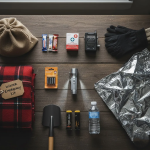
Successfully growing vegetables indoors, especially in limited spaces, starts with having the right tools and supplies. By equipping yourself with the necessary items, you can create an efficient indoor gardening environment that facilitates optimal growth and fulfills your culinary needs.
Containers and Planters
When it comes to growing vegetables indoors, selecting appropriate containers and planters is crucial. Limited space gardening calls for innovative solutions:
- Hanging Planters: Utilize vertical spaces by hanging planters from ceilings or walls. These are ideal for herbs like basil, mint, and parsley, which thrive in well-drained conditions.
- Window Boxes: These are perfect for making use of window ledges. They provide sufficient space for greens such as lettuce and spinach.
- Tiered Shelves: Maximize space using tiered shelves that allow staggering of multiple small pots, ensuring that each plant receives adequate sunlight.
- Recycled Containers: Be eco-friendly and cost-effective by reusing old pots, cans, or bottles as plant holders.
Each of these options enables you to make the most out of your available space without compromising on plant growth.
Lighting and Fixtures
One of the critical aspects of indoor gardening is providing adequate light, as most indoor environments lack the natural sunlight that outdoor plants receive:
- LED Grow Lights: These are energy-efficient and provide the full spectrum of light necessary for plant growth. They are perfect for vegetables that require substantial light, such as tomatoes and peppers.
- Fluorescent Lights: Affordable and widely available, these lights are suitable for low-light-requirement plants like leafy greens and herbs.
- Timers: Incorporate timers to automate your lighting schedule, ensuring plants receive consistent light exposure. This is particularly helpful in maintaining a regular day/night cycle for your vegetation.
Ensuring the right lighting conditions can make a significant difference in your indoor garden's success by compensating for the lack of direct sunlight.
Fertilizers and Pest Management
A thriving indoor vegetable garden also depends on the correct use of fertilizers and effective pest management practices:
- Organic Fertilizers: These provide essential nutrients in a sustainable manner. Compost or other natural fertilizers can boost plant growth without harming the environment.
- Liquid Fertilizers: Convenient for indoor gardening, these are easy to dilute and feed to plants. Select a balanced option suitable for the particular types of vegetables you are growing.
- Pest Control Solutions: Indoor gardening does not eliminate the risk of pests. Employ natural pest repellents, such as neem oil or insecticidal soap, which are safe for indoor use and effective in keeping common pests at bay.
By carefully choosing the right fertilizers and pest management strategies, you can encourage healthy growth and ward off setbacks in your indoor garden.
Establishing an indoor vegetable garden with these essential tools and supplies will help ensure a bountiful harvest, even in the smallest of spaces. Equipping yourself correctly will enable you to overcome spatial limitations and enjoy fresh produce year-round.
Conclusion: Embrace the Joy of Homegrown Vegetables Indoors
Creating a DIY indoor vegetable garden in a limited space offers a rewarding experience that goes beyond just consuming fresh produce. It provides a connection to nature, even within the confines of your home. By implementing these creative ideas and effective techniques, you can cultivate a variety of vegetables regardless of space constraints.
- Enjoy fresher, healthier ingredients year-round.
- Reduce your carbon footprint by eliminating the need for transport.
- Gain a sense of accomplishment as you nurture and harvest your own crops.
Embrace the joy of having a plentiful garden within your own living space. Each harvest not only feeds your body but also nourishes your soul, reinforcing the satisfaction that comes from growing your own food indoors.
10 Best Low Light Indoor Plants Perfect for Dark Rooms
DIY Indoor Vegetable Gardening: Creative Ideas for Limited Space
Discover the best low light indoor plants to transform dark rooms with greenery and life.
Explore creative DIY ideas for growing vegetables indoors in limited spaces with effective indoor gardening techniques.
Discover the top 10 low light indoor plants that thrive in dark rooms! 🌿 Whether you're a seasoned plant owner or a beginner, these resilient houseplants are perfect for adding a touch of nature to any indoor space. Elevate your indoor gardening skills and bring life to those dim corners. Enhance your home with greenery that's easy to care for. Visit our blog to learn more! #LowLightPlants #IndoorGardening #Houseplants #GreenLiving
Unlock the potential of your limited space with our latest blog on DIY Indoor Vegetable Gardening! Discover innovative ideas and step-by-step guidance to grow fresh produce right in your home, regardless of space constraints. Whether you're a seasoned gardener or a newbie, this guide is packed with inspiration and tips for indoor success. Dive in and start your green journey today! #IndoorGardening #DIYGarden #HomeGrownVeggies #LimitedSpaceSolutions 🌿🪴